Service Study, Brand Experience Model, Service Architecture
How do you fix a broken service model rooted in fear and anxiety?
How do you fix a broken service model rooted in fear and anxiety?
Background
The dentist’s clinic is a masterclass in unintentional hostility. More pain has been felt in the waiting room than has ever been felt in the dental chair. Research blames everything from genetics to role models, but the culprit hiding in plain sight is a service solely designed for clinical efficiency, not human emotion.
Our project with Dodo was about psychology, as much as it was about design. We set out to design a brand and a service in parallel, building a system where every touchpoint—from the first email to the final farewell—is a deliberate counter-attack against DFA (Dental Fear and Anxiety).
Key Outcomes
+ Using service design principles, we synthesized industry research and stakeholder surveys to understand the mechanics of DFA at the highest-anxiety peaks of the initial patient journey.
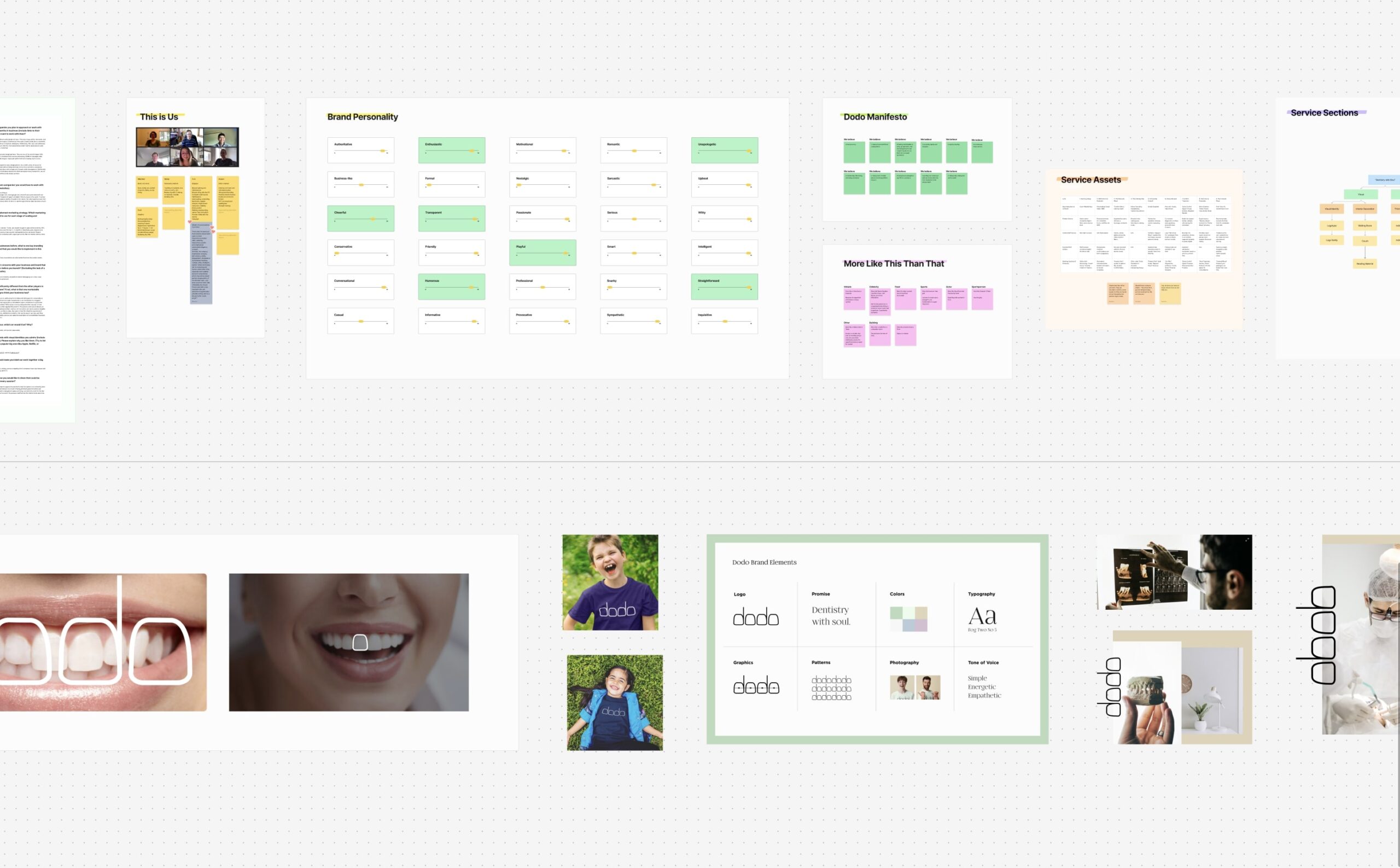
+ Distilling 50+ DFA instances into three brand pillars, we transformed Dodo into a ‘sensory sanctuary’ via a comprehensive brand identity and SOPs for service delivery, establishing a defensible brand moat.
+ By redesigning the ‘behind-the-scenes’ service infrastructure, we optimized for patient-centricity, achieving a 35% higher NPS than the industry average and a 40% reduction in managerial intervention time.
Phase 1 of 4
The Diagnostics
We began with a series of First Principles workshops with key stakeholders. Instead of asking what the service was, we broke down the core components of care and hospitality to find where the biggest mismatches in their current assumptions lay.
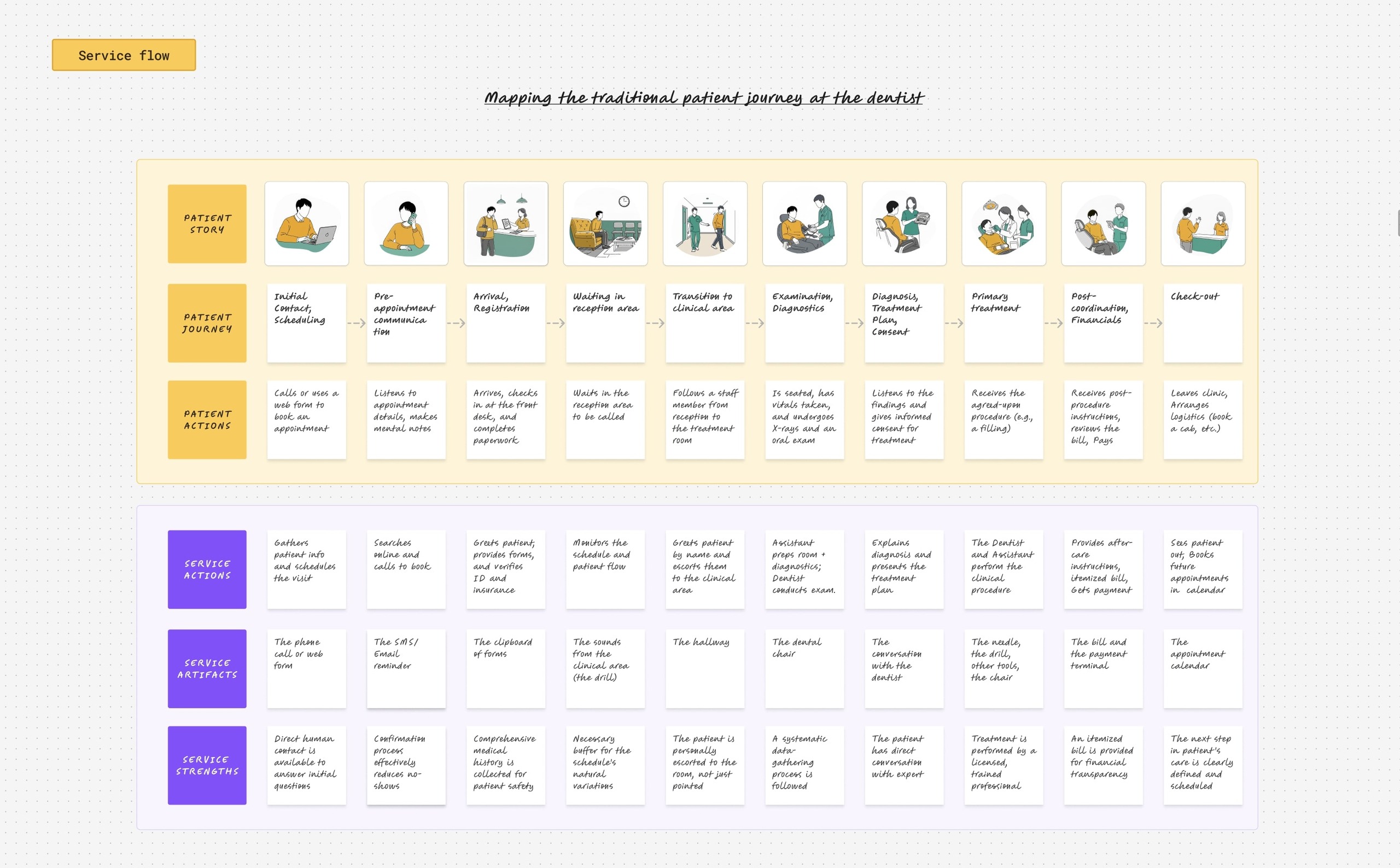
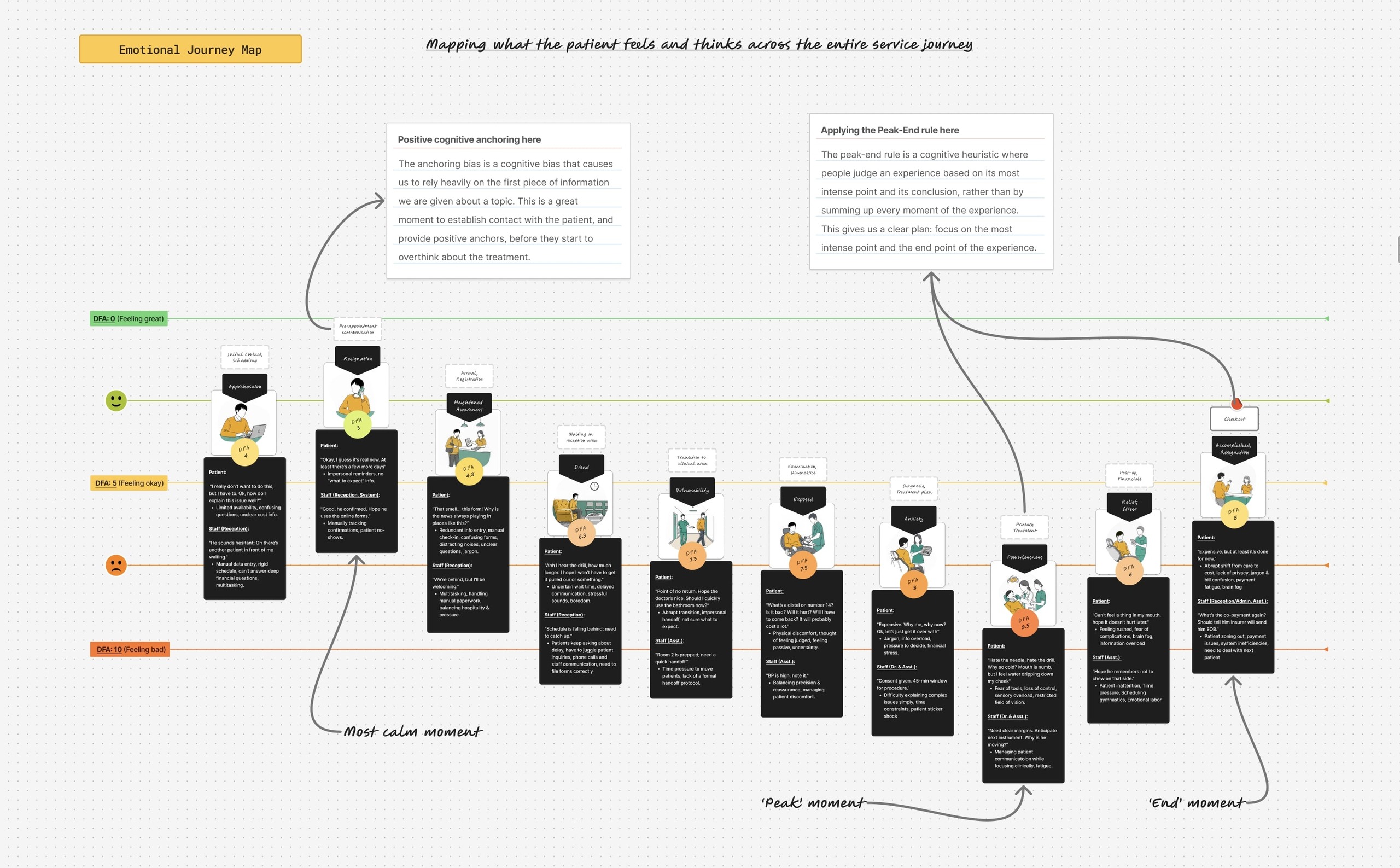
We then audited the traditional 10-step dental journey, combining stakeholder interviews (enhanced with a custom-built survey tool) with a deep analysis of the patient’s emotional state at every touchpoint. This resulted in a comprehensive Emotional Journey Map that gave us a clear, data-driven view of the problem: a prolonged feeling of anxiety with a clear clinical peak and a transactional end.
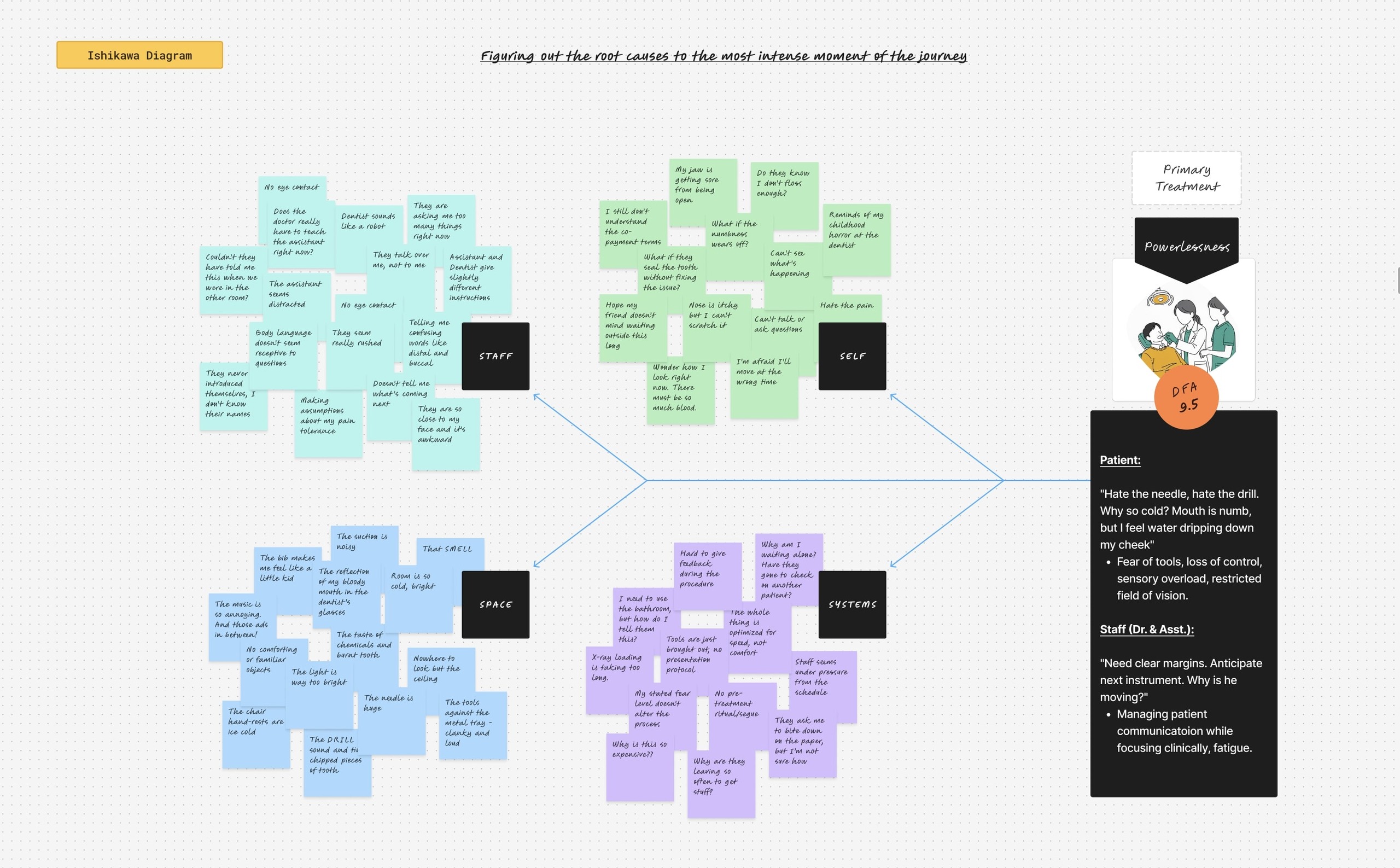
We took the highest-anxiety moments from our journey map and performed a deep-dive root cause analysis. We meticulously unpacked the peak treatment moment, identifying over 50 individual causes of fear across four categories: the patient’s internal mindset (Self), the staff’s actions (Staff), the physical environment (Space), and the underlying workflow (Systems). This exhaustive analysis gave us a raw, unfiltered look at the systemic nature of dental anxiety. It wasn’t one thing, but a conspiracy of many small failures.
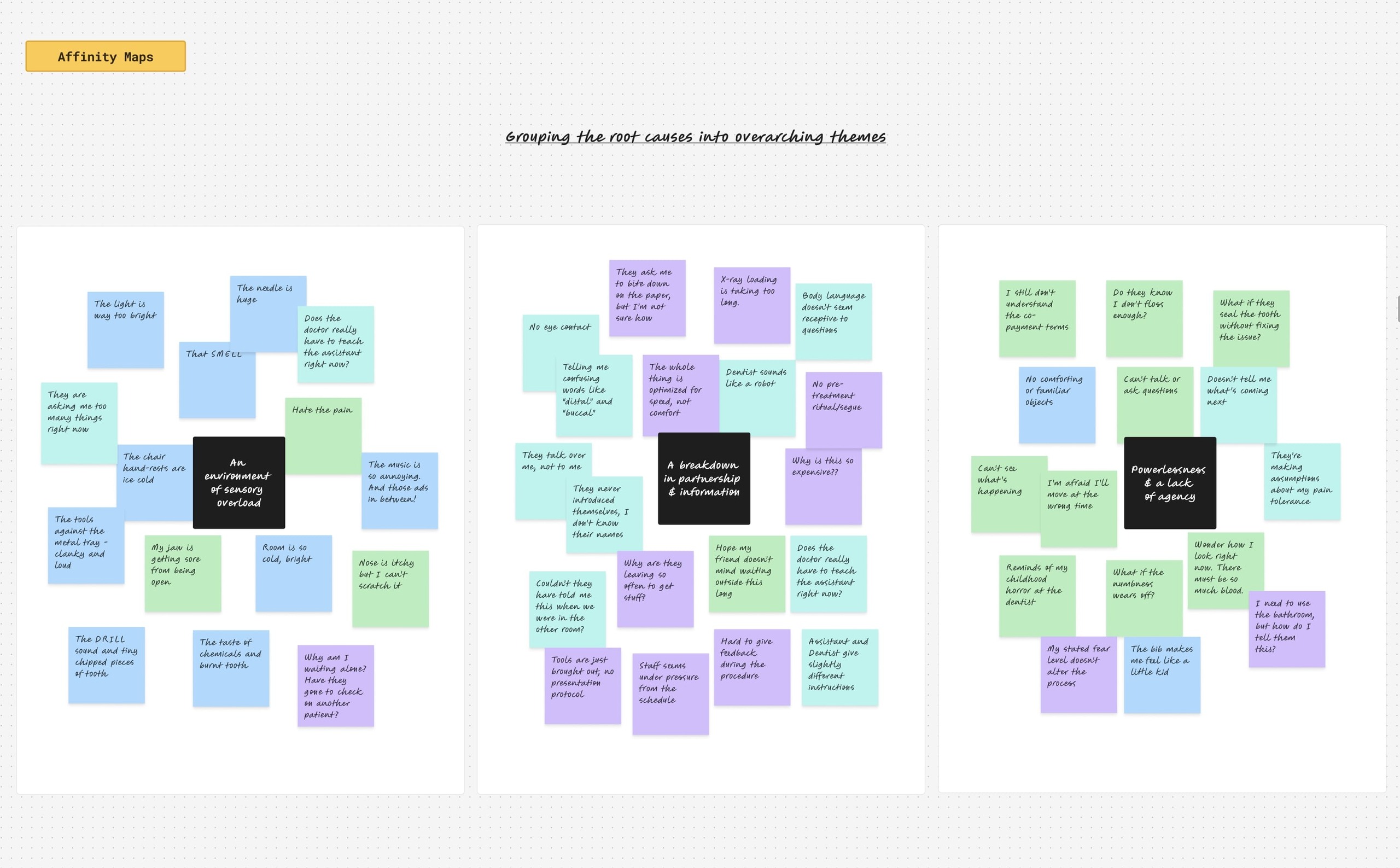
The crucial consolidating step was to synthesize our 50+ root causes into core overarching themes. This process revealed the fundamental failure modes of the traditional experience.
Toolkit
-Ishikawa Diagrams -Root Cause Analysis -User Interviews -Affinity Mapping
Phase 3 of 4
The Brand Experience Model
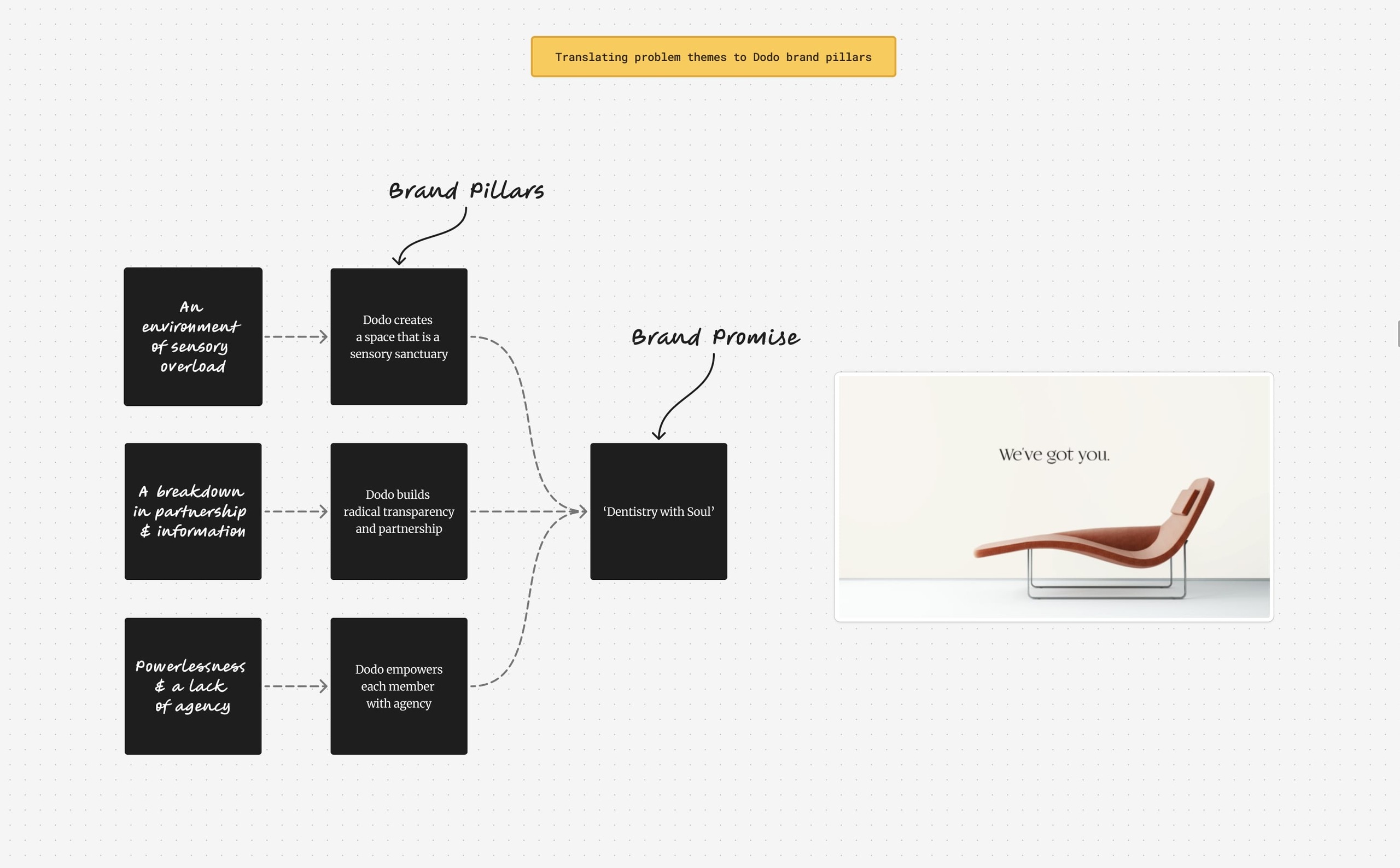
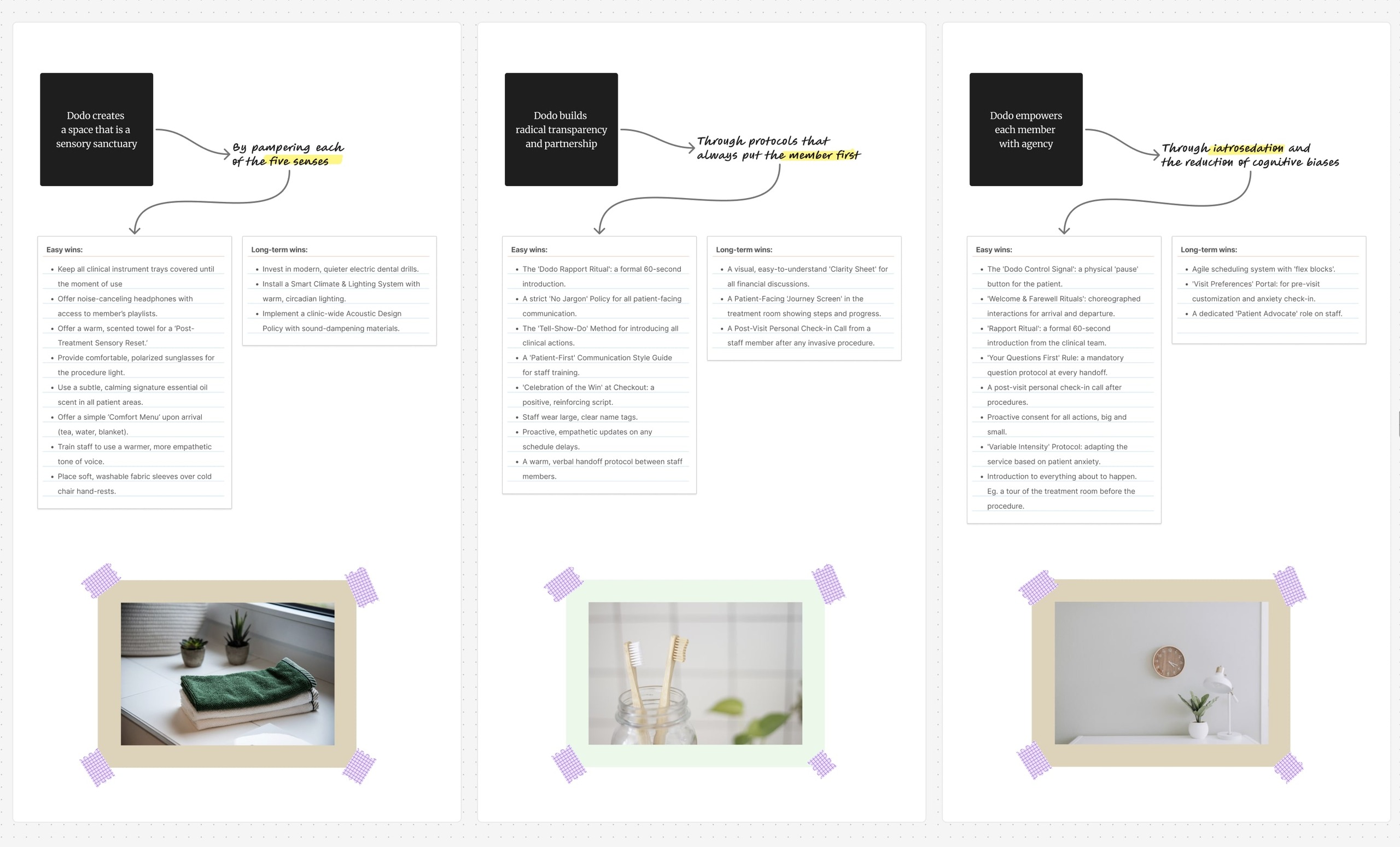
The previous phase revealed three clear overarching themes addressing most causes. This phase started by reframing these negative themes as positive, brand-aligned opportunity areas that would become the three pillars of the Dodo brand experience:
Creating a Sensory Sanctuary
Building Radical Transparency & Partnership
Empowering the Patient with Agency
These three pillars became our creative brief, ensuring every solution we developed was a direct expression of the Dodo brand. This wasn’t about decorating a clinic; it was about architecting a feeling of safety and trust at every single touchpoint.
An experience designed to pamper the senses
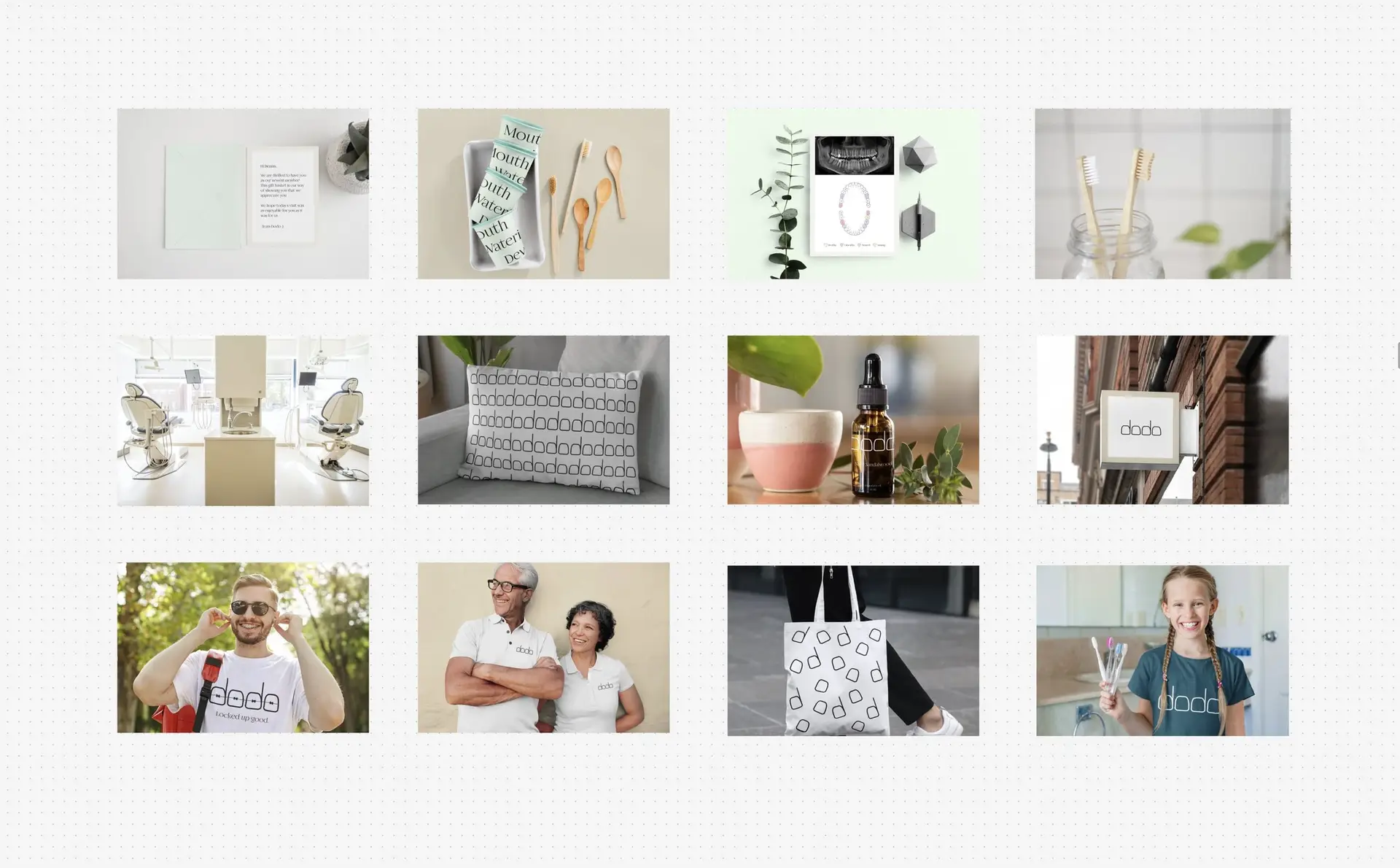
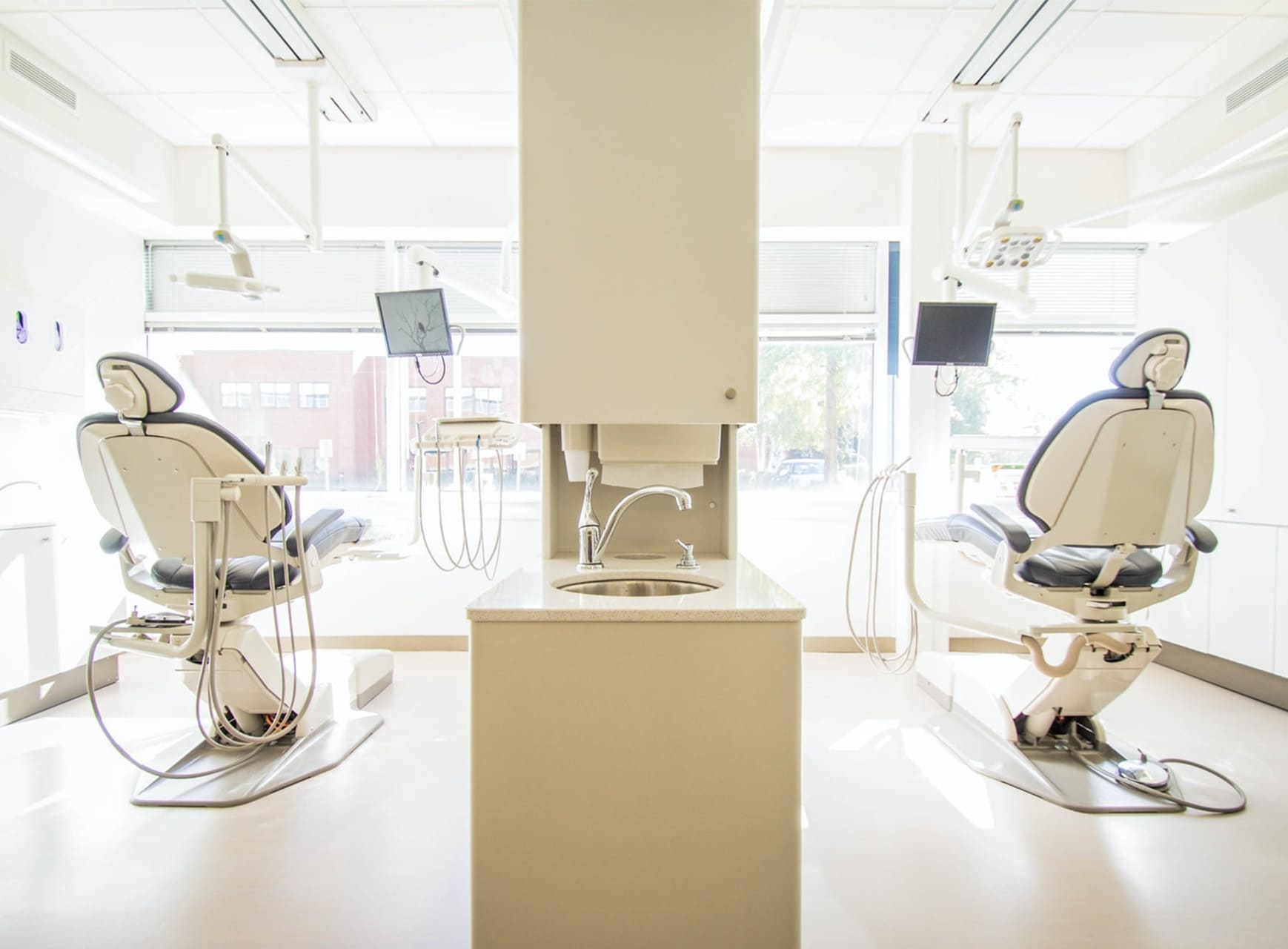
The brand colors are purposely desaturated to help the mind calm down and not be excited with anxiety. Everything from social posts to the studio interior design is based on this palette. The brand tone of voice is friendly, fun and approachable.
Through the brand photography, we present regular people with regular mouths having fun, being silly and being relatable. Smells are registered in memory vividly; a signature sandalwood-based scent (exotic, woody and smooth) was also set for use in the studio to form the olfactory wing of our brand identity system.
Phase 4 of 4
The Service Architecture
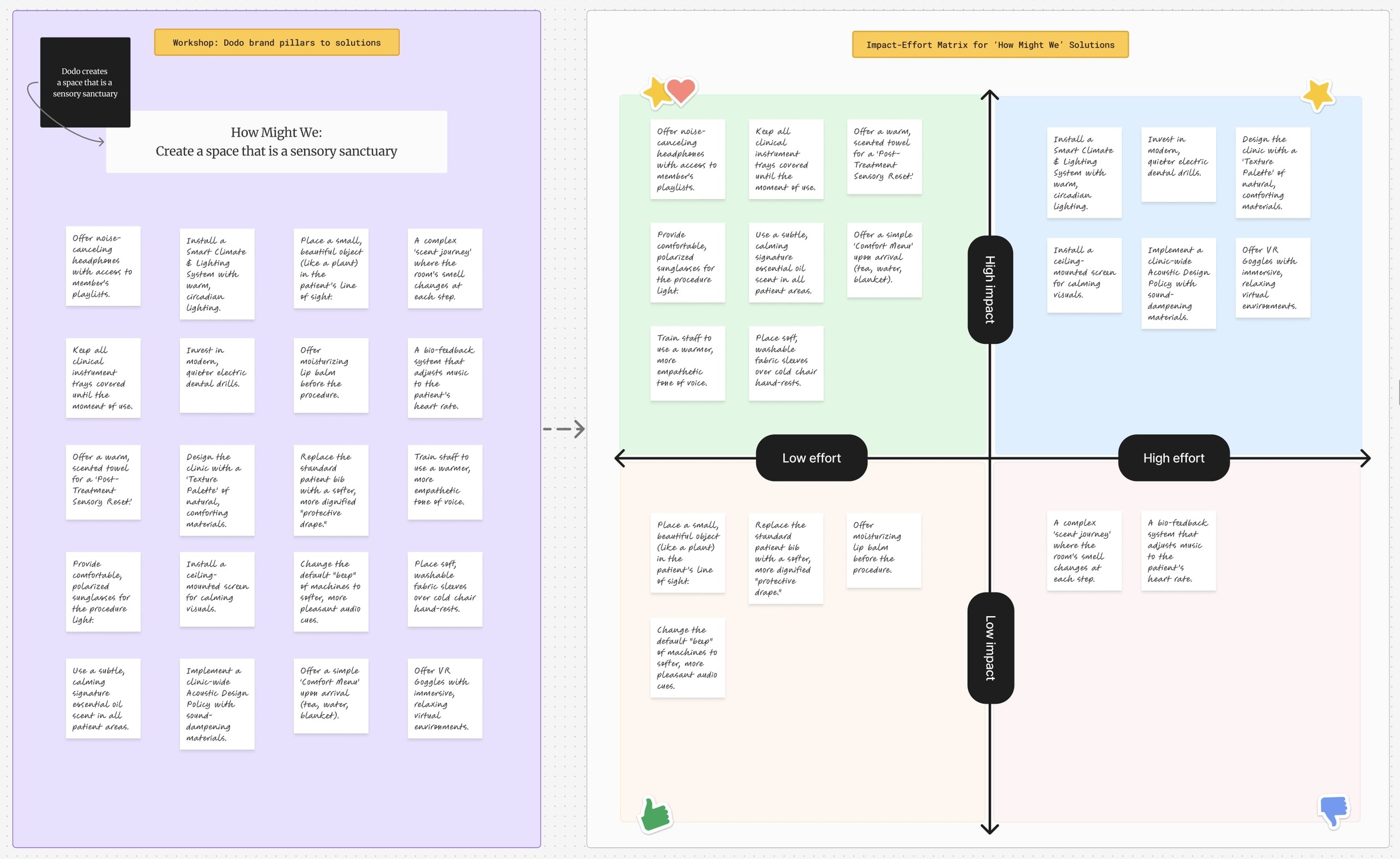
Using our three brand pillars as a guide, we facilitated a series of ‘How Might We’ brainstorming sessions to generate over 60 systemic solutions. To move from this wide pool of ideas to an actionable plan, we used Impact-Effort Matrices to prioritize. We identified the ‘Quick Wins’ (low-effort, high-impact solutions) that would form the core of the Phase 1 launch.
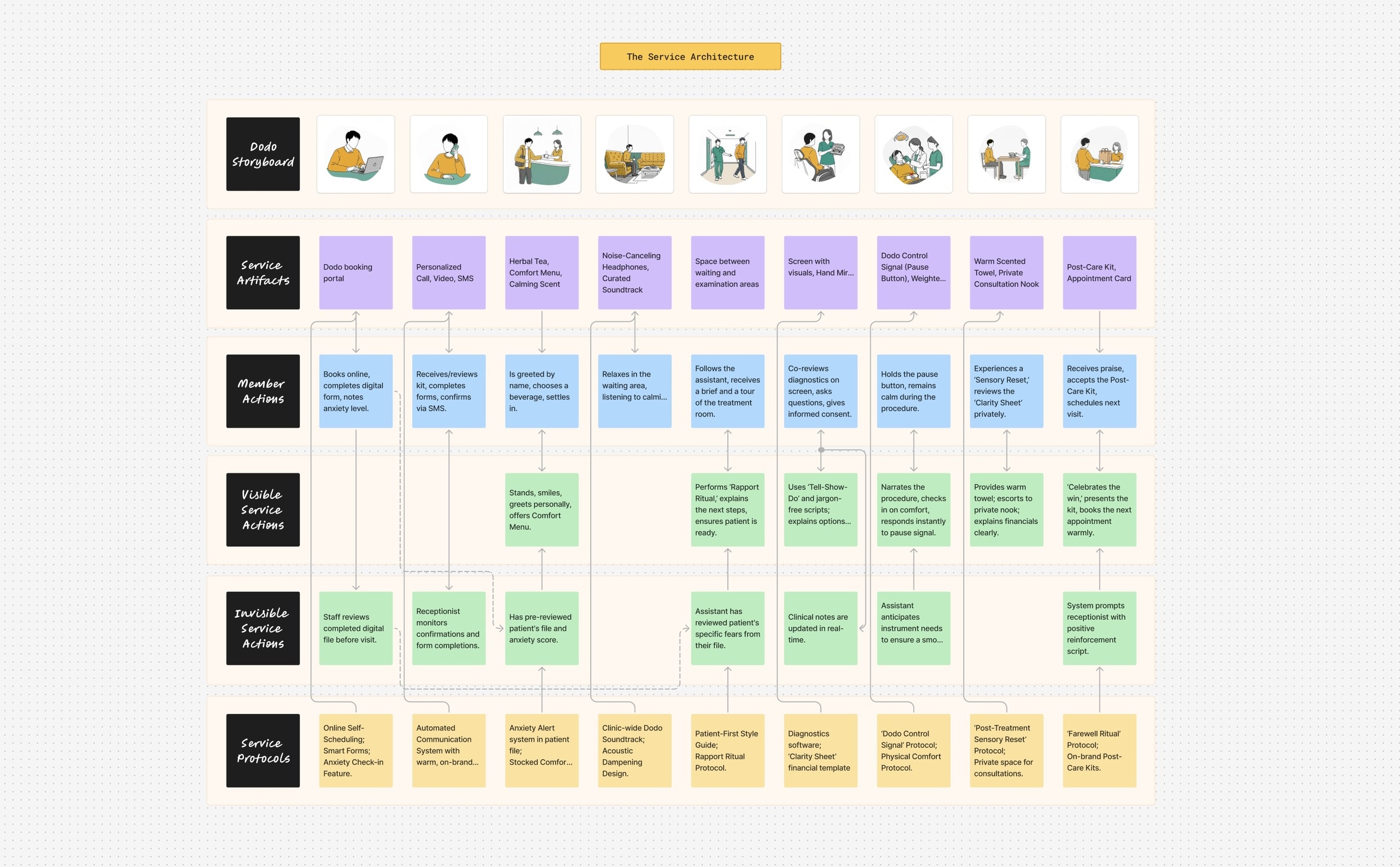
These prioritized solutions were then incorporated into our final deliverable: the Dodo Service Architecture. This blueprint details the service flow, showing exactly how the redesigned service systems all work together to deliver a seamless, high-empathy first visit.
By focusing on mitigating the clinical peak and amplifying the positive end of the visit, we created a service that keeps the Dodo brand promise. The Phase 1 rollout focuses on the 20% high-impact wins that solve for 80% of patient anxiety (the Pareto Principle), and is built on a system that also empowers the staff.
While the ‘first visit’ concludes when the member leaves, the brand experience carries on. An on-brand follow-up call to check in proves Dodo’s commitment to ‘Dentistry with Soul,’ creating a lasting relationship with the member. And the next time they visit, the service protocols we designed ensure the magic happens again, transforming a single great first impression into lasting brand loyalty.